Breathe Better: The Definitive Guide to Improving Indoor Air Quality Naturally
Introduction: The Invisible Guest in Your Living Room
We spend roughly 90% of our lives indoors, yet most of us are blissfully unaware that the air inside our homes can be up to five times more polluted than the air outside. It starts with a slight morning headache, a persistent sneeze, or that “stuffy” feeling you can’t quite shake. You might blame seasonal allergies or a late night, but the culprit is often a cocktail of volatile organic compounds (VOCs), mould spores, and pet dander swirling around your hallway.
It’s frustrating to feel like your sanctuary is actually making you sluggish. You shouldn’t have to choose between staying warm indoors and breathing clean air. The good news? You don’t need a $1,000 medical-grade filtration system to see a massive difference. We’ve tested the most effective, science-backed methods to scrub your home’s atmosphere using nature’s own mechanics. From botanical filters to simple habit shifts, this is how you reclaim your air.
Why Indoor Air Quality (IAQ) Matters in 2026
In an era where we’ve sealed our homes tighter than ever for energy efficiency, we’ve accidentally created “sick building syndrome” in our own residences. Modern furniture off-gases formaldehyde, and even your favourite “ocean breeze” scented candle is likely dumping particulates into your lungs.
Improving your IAQ isn’t just about avoiding a cough; it’s about cognitive performance, deeper sleep, and long-term respiratory health. When we optimise the air, we optimise our lives.
The Comparison: Natural vs. Synthetic Air Solutions
1. The Power of “Green Filtration”: Our Top Plant Picks
While the famous NASA Clean Air Study is often cited, the reality is you need more than one lone succulent to clean a room. However, specific species are powerhouse absorbers of toxins like benzene and trichloroethylene.
The Snake Plant (Sansevieria)
Our top recommendation for bedrooms. Unlike most plants, the snake plant converts CO₂ into oxygen at night. It’s nearly impossible to kill, making it perfect for those of us without a green thumb.
The Peace Lily
This plant is a heavy hitter for removing mould spores from the air. We found it works exceptionally well in bathrooms or damp laundry rooms, though keep it away from pets, as it can be toxic if ingested.
2. Strategic Ventilation: The Art of the Cross-Breeze
The simplest way to improve indoor air quality naturally is to move the old air out. But there’s a strategy to it. Opening one window helps; opening two windows on opposite sides of the house creates a pressure vacuum that flushes out pollutants in minutes.
-
The Morning Flush: Open your windows for 15 minutes every morning, regardless of the temperature.
-
Targeted Exhaust: Always use your kitchen vent hood when cooking (gas stoves are major sources of nitrogen dioxide) and your bathroom fan when showering to prevent mould.
3. Control the Source: Ditching Synthetic Fragrances
If you want to clean indoor air without chemicals, you have to stop putting chemicals into it. Most commercial air fresheners don’t “clean” anything; they simply coat your nasal passages with an oil film or mask odours with phthalates.
Transition to Essential Oils
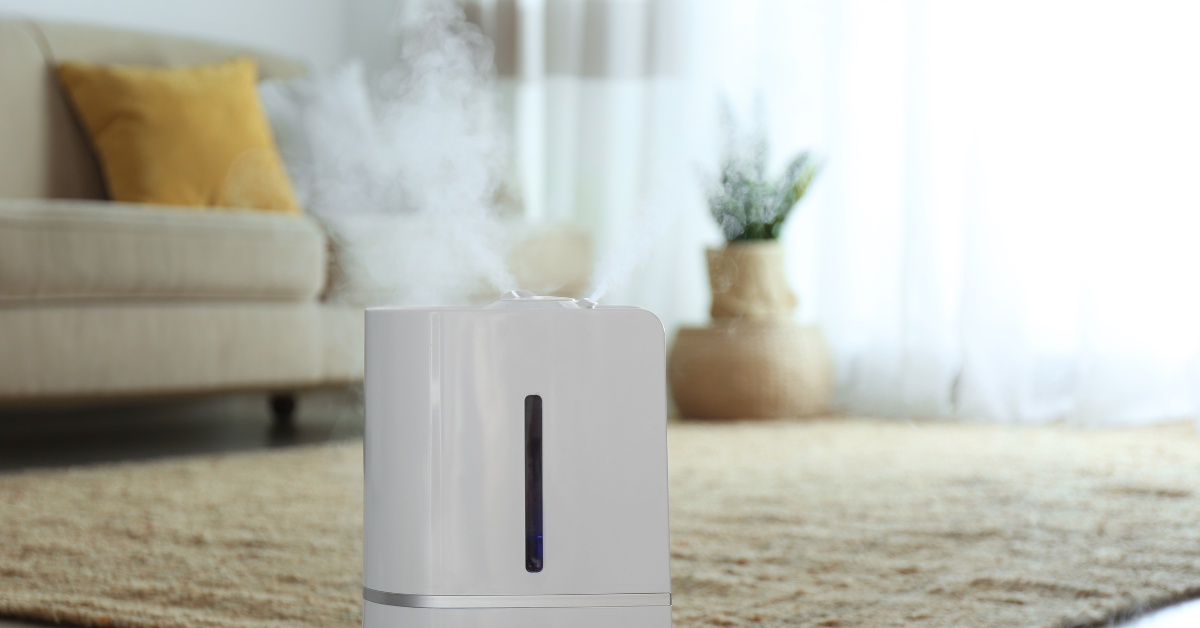
We suggest using a high-quality diffuser with organic essential oils like lemon, eucalyptus, or peppermint. These provide a scent boost without the endocrine disruptors found in “plug-in” fresheners.
4. Humidity Management: The 30-50% Sweet Spot
Dust mites and mould thrive in high humidity. Conversely, ultra-dry air irritates your sinuses, making you more susceptible to viruses.
-
Natural Dehumidifying: Use charcoal bags (activated bamboo charcoal) in closets and corners to soak up excess moisture naturally.
-
Hygrometer Tracking: Invest $10 in a digital hygrometer to ensure your home stays in the healthy 30–50% range.
5. The Affiliate Spotlight: Why We Recommend Activated Bamboo Charcoal
When it comes to passive, natural air purification, activated bamboo charcoal bags are the unsung heroes of the home. Unlike electric purifiers, they require zero power and work 24/7.
Pros & Cons of Bamboo Charcoal
The Pros:
-
100% Fragrance-Free: No masking scents, just odour absorption.
-
Eco-Friendly: At the end of its life (usually 2 years), you can cut the bag open and use the charcoal as fertiliser.
-
Rechargeable: Simply place the bag in the sun for an hour once a month to “reset” its absorption capabilities.
-
Affordable: A fraction of the cost of HEPA filters.
The Cons:
-
Slow Action: It won’t clear a smoke-filled room in minutes like a high-powered fan.
-
Static Placement: You need multiple bags for larger open-concept areas.
6. Flooring Choices: The Dust Trap Dilemma
Your carpet is essentially a giant sponge for toxins. It traps skin cells, pet dander, and outdoor pollutants tracked in on shoes.
-
The “No Shoes” Policy: We cannot emphasise this enough. 80% of the toxins in your house come in on the bottom of your shoes. Implement a strict “shoes off at the door” rule.
-
Natural Fibre Rugs: If you must have rugs, swap synthetic nylon for wool or jute. These materials don’t off-gas VOCs and are naturally more resistant to bacteria.
7. Natural Cleaning: The Vinegar and Baking Soda Revolution
Many “lemon-fresh” floor cleaners contain ammonia or bleach, which lingers in the air long after the floor is dry. We’ve found that a simple 1:1 mix of white vinegar and water, spiked with a few drops of tea tree oil, is just as effective at disinfecting without the respiratory “burn”.
Step-by-Step Guide: Your 48-Hour Air Detox
If you’re feeling overwhelmed, follow this simple weekend plan to reset your home’s environment.
Saturday: Source Removal
-
Declutter: Dust hides in clutter. Clear off flat surfaces.
-
The Shoe Station: Set up a basket or rack by the front door.
-
Toxin Toss: Gather all synthetic candles, “plug-in” scents, and harsh bleach cleaners. Move them to the garage or dispose of them safely.
Sunday: Addition & Optimization
-
The Plant Run: Buy three “easy-care” plants (snake plant, spider plant, or pothos). Place one in the bedroom and two in the living area.
-
Deep Dusting: Use a damp microfibre cloth (not a feather duster, which just moves dust around) to wipe down baseboards and ceiling fans.
-
The Charcoal Placement: Place activated charcoal bags in high-moisture or high-odour areas like the mudroom or near the pet bed.
8. Grooming Your Pets (And Their Beds)
Our furry friends are dander factories. To keep the air clean, you need to manage the source.
-
Weekly Brushing: Do this outside if possible to keep the loose fur from entering your HVAC system.
-
Wash Bedding in Hot Water: This kills dust mites and removes the accumulated dander that gets kicked up every time your pet jumps into bed.
9. The Role of Cooking and Combustion
We often forget that the kitchen is the biggest “polluter” in the house.
-
Beeswax Candles: If you love the ambiance of a flame, switch to 100% beeswax. They actually release negative ions when burnt, which can help neutralise pollutants.
-
Cooking Temperature: Avoid overheating oils to their smoke point, which releases acrolein and other harmful fumes into your kitchen.
10. Maintaining Your HVAC (Naturally)
Even if you aren’t using an “air purifier”, your home has lungs: the HVAC system.
-
High-Quality Filters: While the system is mechanical, choosing a filter with a MERV rating of 11-13 ensures that the air being circulated is actually being cleaned of microscopic spores.
-
Duct Cleaning: If you’ve recently renovated, get your ducts vacuumed. Construction dust is a major source of long-term IAQ issues.
Frequently Asked Questions (FAQ)
1. How can I tell if my indoor air quality is bad?
Common signs include frequent headaches, dry eyes, sinus congestion, and noticing a “musty” smell when you first enter the house after being away. You can also purchase a low-cost IAQ monitor to track PM2.5 and VOC levels in real-time.
2. Do indoor plants really purify air?
Yes, but scale matters. While a single plant has a small impact, a “living wall” or having 15–20 medium-sized plants in a 1,500 sq ft home can measurably reduce certain VOCs and regulate humidity.
3. Is it better to open windows at night or during the day?
This depends on your location. If you live near a busy road, nighttime or early morning is better, as traffic pollution is lower. If you suffer from pollen allergies, keep windows closed during the day when pollen counts are highest.
4. How do I get rid of dust mites naturally?
Maintain humidity below 50%, use allergen-proof covers on mattresses and pillows, and wash all bedding in water that is at least 60°C (140°F).
5. Can essential oils actually clean the air?
Some oils, like tea tree, eucalyptus, and cinnamon, have antimicrobial properties. While they don’t “filter” the air, they can help reduce the presence of airborne bacteria and fungi when diffused.
Final Thoughts: Consistency is Key
Improving your indoor air quality naturally isn’t a one-time task; it’s a lifestyle shift. By combining the biological power of plants with the mechanical simplicity of cross-ventilation and source control, you create an environment where your body can actually rest and recover.
Start small: kick off your shoes, buy a snake plant, and open a window. Your lungs will thank you.
Looking for the easiest way to start? We recommend grabbing a set of activated bamboo charcoal bags. They are the most “set it and forget it” natural solution we’ve tested for maintaining a fresh, toxin-free home.

0 Comments