Waking up with a stuffy nose and a scratchy throat used to be my normal routine every single spring. I always assumed it was just standard seasonal allergies that I had to live with or the price of sharing my home office with a very fluffy, very sheddy cat.
Then I started tracking how much dust collects on my desk and PC fans in a single week, and I realised my small workspace was basically a trap for airborne junk.
If you are working, sleeping, or gaming in a room that feels a bit stuffy, you have probably looked into getting some help. But browsing online can give you serious sticker shock when you see machines costing hundreds of pounds.
That is why I spent the last few weeks testing out some highly rated budget air purifiers to find out if the affordable options actually do the job or if they are just noisy desk fans in disguise. This guide is for fellow budget buyers, remote workers, and anyone trying to clean up their personal space without emptying their wallet.
Why Smaller Spaces Need a Different Strategy
When you are treating a compact bedroom or home office, you do not need a massive, industrial-sized tower. You need something that handles a tight radius efficiently without keeping you awake at night.
The secret to finding great budget air purifiers is looking past the flashy marketing and checking the actual filtration tech. You want a true HEPA filter (High-Efficiency Particulate Air), which catches 99.97% of tiny particles like dust, pollen, and pet dander.
Many cheap brands try to cut corners with something they call “HEPA-type” filters. Avoid those entirely because they do not meet the same strict standards and will let the smallest allergens slip right back into your room.
The Top Contenders Under the Microscope
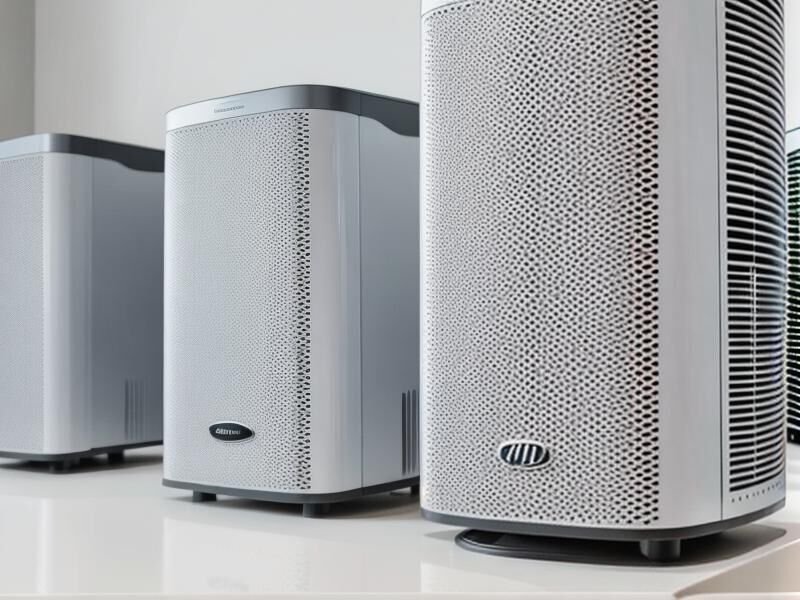
I put three popular, affordable units through their paces in my own 120-square-foot home office to see how they handle real daily life.
1. Levoit Core Mini
This is one of the most popular compact options on the market right now, and it is easy to see why. It is roughly the size of a large oatmeal canister, making it incredibly easy to tuck onto a nightstand or the corner of a desk.
+------------------------------------+------------------------------------+
| Pros                               | Cons                               |
+------------------------------------+------------------------------------+
| Extremely quiet on low setting     | No air quality sensor or auto mode |
| Very affordable replacement filters| Lacks smart app features           |
| Tiny physical footprint            |                                    |
+------------------------------------+------------------------------------+
In my testing, the low mode is practically whisper-silent, running at around 24 decibels. I could sleep right next to it without a single issue. It also includes a little aroma pad at the top if you like adding essential oils to your space.
The downside is its simplicity. There are no smart features, no scheduling, and no sensor to tell you if your air is actually dirty. You just turn the dial and let it run.
2. GoveeLife Smart Mini Air Purifier
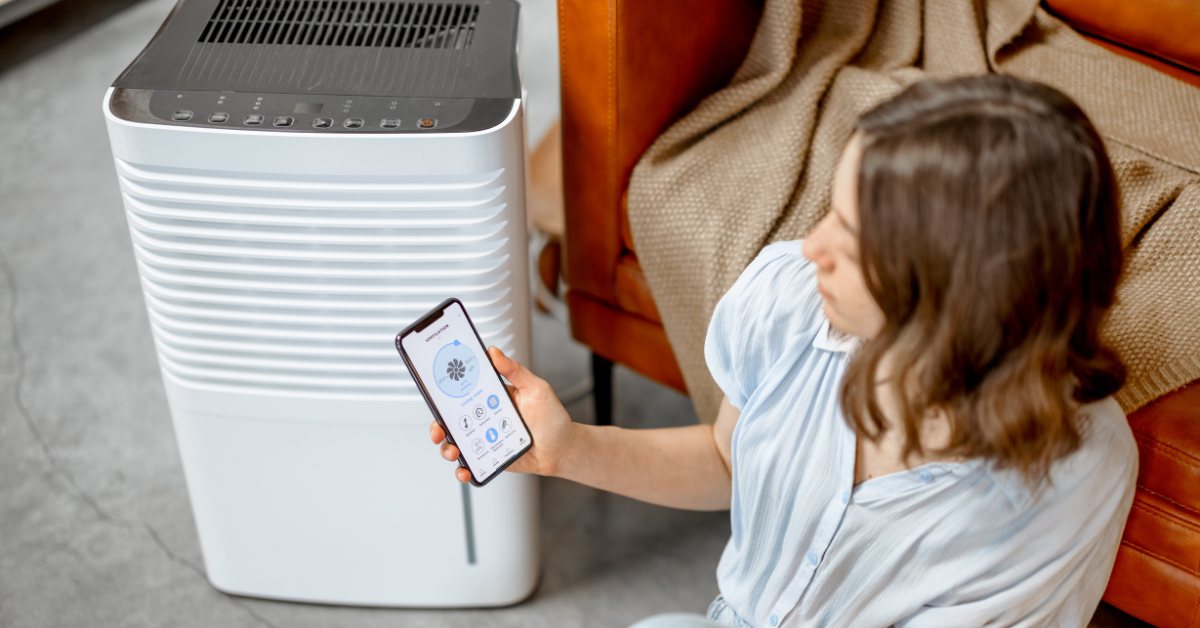
If you want a bit of tech integration without paying premium prices, this is usually the model that pops up in your search results. It brings Wi-Fi connectivity and app support down to a very reasonable price point.
+------------------------------------+------------------------------------+
| Pros                               | Cons                               |
+------------------------------------+------------------------------------+
| Robust app control and scheduling  | Fan gets quite loud on high speed  |
| Works with voice assistants        | Plastic body feels a bit flimsy    |
| Good coverage for its price class  |                                    |
+------------------------------------+------------------------------------+
Being able to set a schedule through my phone so it cranks up right after I finish cooking dinner is incredibly convenient. The app interface is clean, and it syncs up nicely with voice smart setups.
However, when you turn this unit up to its highest speed to clear out a room quickly, it sounds like a miniature jet engine on your desk. The build quality also feels very lightweight and plasticky compared to some heavier units.
3. Russell Hobbs Clean Air Compact
This little unit is a straightforward, no-nonsense appliance designed specifically for small rooms of around 10 square metres. It is built by a household name and focuses purely on basic, reliable air movement.
+------------------------------------+------------------------------------+
| Pros                               | Cons                               |
+------------------------------------+------------------------------------+
| Highly responsive mechanical buttons| Struggles slightly with heavy odors|
| Reliable CADR performance for dust | Basic design looks utilitarian     |
| Sturdy, stable base                |                                    |
+------------------------------------+------------------------------------+
During my informal dust test, this machine managed to clear down a room sprayed with aerosol particles in just over three minutes on maximum speed. It is a sturdy little block that does not vibrate or slide around on hard surfaces.
The carbon layer inside is quite thin, though, so while it is fantastic for trapping dust and pollen, it takes a lot longer to get rid of strong cooking smells or pet odours.
Where Cheap Purifiers Fall Short
I want to be completely transparent with you about my testing limitations here. Because I run a home blog and not a high-tech medical laboratory, I cannot give you a microscopic breakdown of individual particulate counts down to the exact micron.
What I can tell you is how these budget air purifiers perform in day-to-day living, and they definitely have limitations.
The biggest compromise you make when buying a cheaper model is the lack of a real-time air quality indicator. Premium models have built-in lasers that detect pollution and automatically ramp the fan speed up or down. With these budget models, you are doing the guesswork yourself.
You also have to keep an eye on the hidden cost of replacement filters. A machine might only cost forty pounds upfront, but if the replacement filters cost thirty pounds and need changing every four months, it stops being a budget choice very quickly. Always check the filter prices before you hit the buy button.
My Honest Verdict and Recommendation
If you are looking for a direct, non-fictional recommendation, here it is: buy the Levoit Core Mini if you want something for a bedroom where silence matters most. If you are a tech enthusiast who loves automating your home, go for the GoveeLife instead.
Personally, the Levoit stayed on my nightstand because it gave me the best sleep without any annoying hums or bright flashing lights. It’s simple, reliable, and does exactly what it promises for a small space.
What about you? Are you dealing with dust buildup in your workspace, or are you trying to manage pet allergies? Drop a comment below and let me know which room you are trying to clear up!


0 Comments