The air felt heavy again… and that’s when I realised buying an air purifier isn’t as simple as it looks
A few winters ago, I noticed something odd. My room looked clean, but by evening my nose felt blocked, my eyes were irritated, and gaming for 3–4 hours straight somehow left the room feeling… stale. I blamed dust. Then weather. Then my laptop fans.
Turns out, indoor air quality can be surprisingly bad — especially if you live near traffic, cook often, have pets, kids, or spend most of your day indoors.
The problem? The moment you search online, you’re hit with terms like HEPA H13, CADR ratings, activated carbon filters, PM2.5 sensors… and suddenly buying an air purifier feels like preparing for an engineering exam.
That’s why I put together this purifier buying guide — for beginners, budget-conscious shoppers, parents, gamers, and anyone who wants cleaner air without wasting money on features they’ll never use.
If you’re wondering which air purifier to buy and what actually matters, this guide should save you both time and regret.
Why most people buy the wrong air purifier
I’ve noticed many buyers start with one question:
“What’s the best air purifier?”
Wrong question.
The better question is:
“What’s the right purifier for my room, lifestyle, and budget?”
Because a £60 purifier in a small bedroom might work better than a £300 model struggling in a large living room.
Marketing tends to push fancy displays and app controls. Meanwhile, the boring specs often matter more.
Room size.
Filter type.
Noise levels.
Maintenance cost.
Those determine whether you’ll still like the purifier six months later.
Start with your room size — seriously, don’t skip this
If there’s one thing from this Purifier Buying Guide you remember, make it this:
Match purifier capacity with room size.
A purifier designed for 15 m² won’t magically clean a 30 m² room efficiently.
Manufacturers often mention:
- Recommended room area
- CADR (Clean Air Delivery Rate)
Higher CADR generally means faster air cleaning.
Rough idea:
Small bedroom (10–15 m²): Entry-level purifier usually enough.
Medium room (15–30 m²): Mid-range models.
Large rooms/open spaces: Higher CADR becomes important.
Gamers or people working long hours indoors should pay extra attention here. If your PC runs hot and you spend 8–10 hours in one room, air circulation matters more than you may think.
The HEPA filter confusion explained simply
This part confuses almost everyone.
You’ll see:
HEPA
True HEPA
HEPA H13
HEPA-like
Medical grade
Some are useful terms. Some sound suspiciously invented by marketing departments after too much coffee.
For beginners:
A genuine HEPA filter captures extremely fine particles including dust and some allergens.
HEPA H13 tends to offer higher filtration efficiency than lower grades.
Cheap purifiers using “HEPA-type” wording can be less clear about performance.
I wouldn’t obsess over chasing the highest number if your main concern is ordinary dust or seasonal allergies.
But if you have babies, severe allergies, pets, or live in polluted areas, investing more can make sense.
Activated carbon filters matter more than people think
Dust isn’t always the problem.
Smells.
Cooking odours.
Smoke.
Pet smells.
These are where activated carbon filters help.
I’ve seen buyers disappointed because their purifier removed dust but the room still smelled like yesterday’s fried food.
That isn’t always the purifier failing. Sometimes it’s missing proper carbon filtration.
Budget buyers: here’s where I’d spend and where I’d save
If your budget is limited, prioritise the following:
Good filtration
Correct room coverage
Reasonable replacement filters
Skip fancy extras first:
Touchscreens
Colourful displays
Smart assistants
Overcomplicated apps
A purifier becomes expensive when replacement filters cost nearly half the unit price every year.
Before buying, always check annual maintenance cost.
I’ve seen budget models turn expensive after 12 months.
Parents with children need slightly different priorities
Busy parents often want:
Low noise
Child lock features
Reliable auto mode
Good allergy filtration
Imagine finally getting your toddler asleep… then your purifier sounds like a mini vacuum cleaner.
Noise ratings matter.
Around 20–30 dB in sleep mode is generally comfortable.
Pet owners: don’t expect miracles
Air purifiers help with airborne particles.
They do not replace cleaning.
I’m mentioning this because expectations get unrealistic.
If a dog sheds heavily and fur covers half the sofa, no purifier becomes a magical reset button.
Vacuuming plus purifier = useful combination.
Purifier alone = disappointment.
Smart features: useful or unnecessary?
App control sounded exciting to me initially.
Monitor air quality from phone.
Automation.
Schedules.
Remote controls.
Some people genuinely benefit.
But if you’ll simply switch it on and forget about it, smart features may add cost without much value.
I wouldn’t pay significantly extra unless automation matters to your routine.
One thing nobody talks about enough: replacement filters
This deserves its own section.
Check:
How often filters need replacing
Availability locally
Replacement cost
Subscription options
Estimated yearly maintenance
Buying a cheaper purifier with expensive filters can backfire.
I’ve learned over years of reviewing gadgets that long-term ownership cost often matters more than purchase price.
My honest hesitation about air purifiers
Here’s where I’ll admit something.
Not everyone needs one urgently.
If your home has good ventilation, low pollution, and no allergy concerns, the difference may feel subtle.
Some buyers expect dramatic overnight changes.
That may not happen.
For others — especially allergy sufferers, parents, urban residents, or people spending long indoor hours — improvements can feel worthwhile.
The benefit varies.
I don’t think enough reviews say that openly.
For gamers and tech enthusiasts, air quality is oddly underrated
This sounds niche, but hear me out.
If your setup includes:
Gaming PC
Multiple monitors
Closed room
Long sessions
Minimal ventilation
You’re effectively spending huge chunks of time indoors with recirculated air.
A purifier won’t boost FPS. Sadly.
But cleaner-feeling air during marathon sessions isn’t something I’d dismiss anymore.
Should beginners buy budget or premium?
My rule:
Under £80 → Stick to trusted basics and realistic expectations.
£80–£180 → Sweet spot for many users.
£180+ → Better for larger spaces, stronger filtration, premium features.
Most beginners don’t need flagship models.
Overbuying is common.
Quick checklist before purchasing
Ask yourself:
How large is the room?
Main issue: dust, allergies, smoke, smells, pets?
What’s the yearly filter replacement cost?
How noisy is sleep mode?
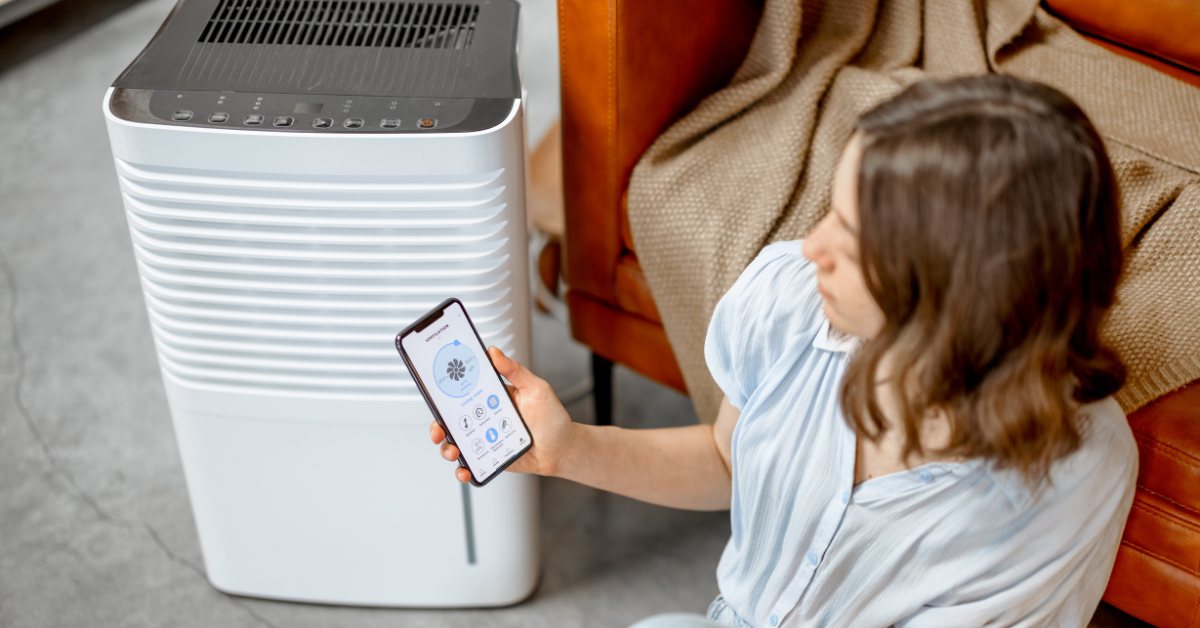
Do you need app control?
Will this run daily?
If you answer those honestly, you’ll avoid most buying mistakes.
My personal recommendation after putting this Purifier Buying Guide together
If you’re buying your first purifier, don’t chase the most expensive model or whatever social media claims is “best.”
Buy for your room.
Buy for your lifestyle.
Buy with filter costs in mind.
For budget-conscious shoppers and beginners, I’d choose a reliable mid-range purifier with genuine HEPA filtration over flashy smart features every time.
That’s where value usually sits.
And if you’re a parent, gamer, or someone spending 8+ hours indoors, I think cleaner air is one of those purchases you appreciate slowly rather than instantly.
I’m curious though — are you considering an air purifier because of allergies, pets, pollution, or something else? Drop your thoughts in the comments. I read more of them than I probably should.


0 Comments