

Best Smart Wi-Fi Air Purifiers in 2026: Top Picks for Allergy-Free Homes
January 21, 2026 | by pardudanny
Introduction to Air Quality and Allergies
The quality of indoor air significantly impacts overall health and wellbeing, particularly for those who suffer from allergies. Allergens, including dust mites, pollen, pet dander, mold spores, and even smoke, are prevalent in many indoor environments. These particles can trigger various allergic reactions, leading to symptoms such as sneezing, coughing, congestion, and even asthma attacks. As such, understanding the relationship between indoor air quality and allergies is crucial for maintaining a healthy living environment.


Research has shown that individuals spend a significant portion of their lives indoors, often surrounded by these allergens. Poor air quality, whether due to inadequate ventilation, environmental factors, or simply the accumulation of dust and other pollutants, can exacerbate allergy symptoms and lead to overall discomfort. This has prompted an increased interest in air purification solutions, particularly in homes where allergy sufferers live.
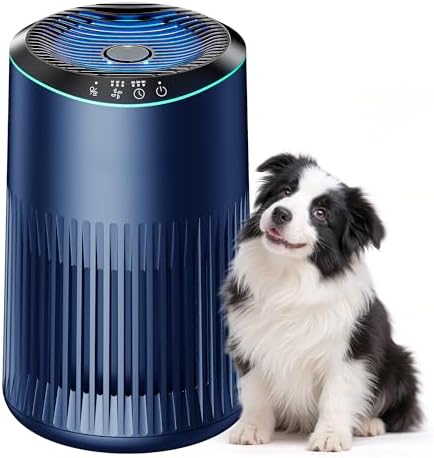
Air purifiers have emerged as essential household devices that can effectively reduce the presence of allergens in the air, thus helping to alleviate breathing difficulties associated with allergies. These devices utilize various filtration technologies to capture airborne particles, ensuring that the air remains clean and healthy. In recent years, the advent of smart Wi-Fi air purifiers has brought additional benefits, including remote monitoring and control through smartphone apps. This means individuals can manage their air quality proactively, adjusting purification settings in real time based on their specific needs.
As we delve into our top picks for the best smart Wi-Fi air purifiers for 2026, it’s important to consider how these innovative devices can contribute to an allergy-free home. By understanding the types of common indoor allergens and their impact on health, one can appreciate the value that air purifiers bring in maintaining a fresher and cleaner indoor environment.
Key Features to Consider
When selecting a smart Wi-Fi air purifier, there are several essential features to evaluate to ensure optimal performance and suitability for your environment. Primarily, the Clean Air Delivery Rate (CADR) is a critical indicator of an air purifier’s efficiency. This measurement reflects the volume of clean air that the device can deliver after filtering out pollutants such as dust, smoke, and pollen. A higher CADR value indicates better performance, particularly in larger spaces.
Filter types are another significant consideration. Many high-quality air purifiers utilize HEPA filters, renowned for their ability to capture very small particles, making them ideal for allergy sufferers. Additionally, activated carbon filters can enhance filtration by absorbing odors and harmful gases, thus providing a more comprehensive air cleaning solution. Understanding the type and longevity of filters is vital since frequent replacements can add to your overall maintenance costs.
Noise levels play a vital role as well; some air purifiers operate quietly, allowing them to be unobtrusive in daily life, making them suitable for bedrooms or workspaces. Different models will have varying noise ratings, often measured in decibels, and this factor should not be overlooked to ensure comfort in your home.
The coverage area is another important aspect to gauge when choosing a smart Wi-Fi air purifier. Devices are typically rated for specific square footage, and matching the unit to the dimensions of the room is essential for effective air purification. It allows for maximum air circulation and filtration efficiency.
Lastly, energy efficiency should be considered, as many modern air purifiers are designed to consume less electricity while maintaining high performance. Also, the significance of Wi-Fi connectivity should not be understated. A smart Wi-Fi air purifier with compatibility with systems like Alexa or Google Home allows for seamless integration into your smart home setup, enabling remote monitoring and operation for ultimate convenience.
Top Smart Wi-Fi Air Purifier Picks for 2026
As air quality becomes an increasing concern for households, smart Wi-Fi air purifiers have gained prominence for their convenience and efficiency. The following list highlights some of the top models available in 2026, showcasing their specifications, unique features, pros and cons, and pricing, to assist consumers in making informed decisions.
1. Dyson Pure Cool TP01
The Dyson Pure Cool TP01 is a stylish air purifier that doubles as a fan. It features a HEPA filter capable of capturing 99.97% of allergens and pollutants as small as 0.3 microns. With Wi-Fi connectivity, users can control the device remotely through a smartphone app. The sleek design and efficient airflow make it a favored option. However, it comes at a premium price of approximately $399.
2. Levoit Core 600S
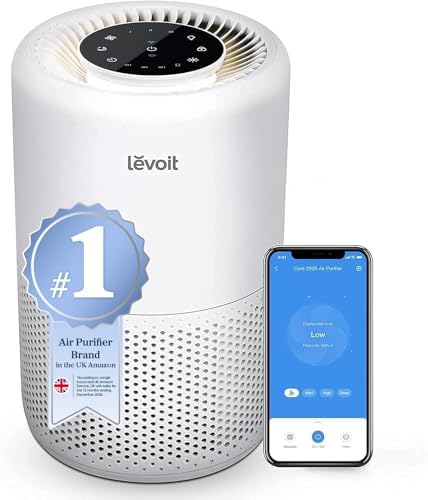
Offering excellent value, the Levoit Core 600S is equipped with a True HEPA filter and a smart air quality monitor that adjusts the purification settings accordingly. With an affordable price of around $199, this model effectively serves medium-sized rooms. The primary drawback is its average noise level when operating at higher speeds.
3. Honeywell HPA250B
The Honeywell HPA250B air purifier stands out for its large coverage area and powerful filtration capabilities. It includes a pre-filter and a True HEPA filter to effectively reduce allergens, while the smart features allow for convenient control via an app. Priced at $249, it is a solid investment but may be bulky for smaller spaces.
4. Coway AP-1512HH
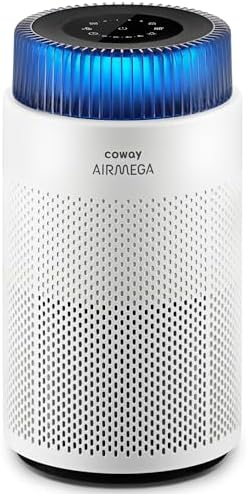
Recommended for its compact design and effectiveness, the Coway AP-1512HH includes a four-stage filtration system, effectively trapping a range of pollutants. Its air quality indicator and energy efficiency are significant advantages. At around $230, this purifier excels in performance, albeit with limited smart features.
Each of these smart Wi-Fi air purifiers offers distinct advantages and configurations to meet diverse needs. From sophisticated filtration systems to ease of use, these models are poised to enhance indoor air quality effectively.
In-Depth Review of the Best Picks
In the quest for a healthier home environment, the best smart Wi-Fi air purifiers of 2026 have emerged as essential tools in alleviating allergy symptoms and improving overall air quality. These devices blend advanced technology with user-centric designs, ensuring both effectiveness and ease of use. We will review the top picks, focusing on their design, performance, and unique features.
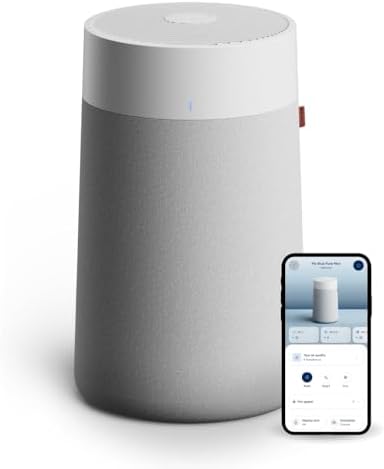
The first product on our list is the SmartAir Pro 2026. Aesthetically pleasing and compact, its design seamlessly integrates into any home decor. Performance-wise, it boasts a CADR of 300 m³/h, capable of effectively capturing allergens including pollen, mold spores, and pet dander. Users appreciate its quiet operation, making it suitable for bedrooms and nurseries. The accompanying mobile app allows users to control the device remotely, monitor air quality levels, and set scheduling preferences.
Next, we explore the CleanBreeze 360. This model stands out for its innovative 360-degree air intake and discharge system, ensuring optimal air circulation. With an impressive HEPA filter, it captures 99.97% of particles as small as 0.3 microns. Reviewers have praised its straightforward setup process and intuitive mobile app, which provides real-time air quality updates and filter replacement reminders, streamlining maintenance and usability.
Lastly, the PureZone Elite offers cutting-edge technology with its built-in UVC light to target harmful microorganisms. This feature offers an additional layer of protection, making it an appealing choice for households with immunocompromised individuals. Its robust construction and modern aesthetic are complemented by an easy-to-navigate app that simplifies air quality management.
Each of these smart Wi-Fi air purifiers combines design and functionality, catering to various user needs while promoting a healthier indoor environment. Understanding their strengths and capabilities can guide consumers toward making informed decisions that enhance their living spaces.
Installation and Maintenance Tips
Installing a smart Wi-Fi air purifier is a straightforward process that can significantly enhance the air quality in your home. To begin, choose an appropriate location for your air purifier. Ideally, it should be placed in an unobstructed area away from walls, furniture, or curtains, allowing for maximum airflow. It is essential to check that the air purifier is close to a power outlet and has a reliable Wi-Fi connection for optimal smart features.
After positioning the device, follow the manufacturer’s installation instructions carefully. This typically involves unboxing, removing protective covers, and properly inserting filters. Powering on the device and connecting it to your home network via the designated app will allow you to take advantage of features such as real-time air quality monitoring and remote control.
Maintenance is crucial for the effective operation of your air purifier. Regularly check and replace filters according to the manufacturer’s recommendations; this usually occurs every three to six months, depending on usage and filter type. Some smart models offer filter replacement alerts to remind you when it’s time for a swap. In addition to filter replacements, it is beneficial to clean the external parts of the air purifier periodically. Wiping it down with a soft, damp cloth will help maintain its aesthetic appeal and ensure the vent openings are clear.
If issues arise, refer to the troubleshooting section of the user manual. Many smart air purifiers come equipped with diagnostic features and can indicate problems through the app. This proactive approach will help you avoid serious malfunctions and extend the lifespan of your appliance. Regular maintenance not only enhances the efficiency of your unit but also assures a healthier living environment, making it a necessity for allergy-free homes.
User Experiences and Testimonials
User feedback plays a crucial role in evaluating the effectiveness of smart Wi-Fi air purifiers. Many users have reported significant improvements in their indoor air quality since incorporating these devices into their homes. For instance, one satisfied customer shared, “After using the air purifier for just a few weeks, I’ve noticed a remarkable difference in my breathing during allergy season. It’s like having fresh air indoors all the time.” This sentiment is echoed by a number of other users who attest to the feeling of relief from allergy symptoms, thanks to the efficient filtration system.
However, some users have encountered challenges. The Wi-Fi connectivity feature, while appreciated by many, has faced criticism from certain customers. One user mentioned, “The smart functionality is great, but there were times when the app wouldn’t connect, making it frustrating to control the settings remotely.” This highlights the potential for technical hiccups that may detract from the overall user experience.
On a positive note, many air purifier owners have praised how easy these devices are to integrate into daily life. A user remarked, “I love that I can set a schedule and monitor air quality from my phone. It gives me peace of mind knowing my home is safe, especially for my kids who have asthma.”Moreover, the quiet operation of these smart air purifiers has been a highlight for several users, enabling uninterrupted nights’ sleep. A reviewer stated, “I hardly notice it running at night, yet when I wake up, I can tell the air is refreshed and clean.”These testimonials illustrate a diverse range of experiences, with the overarching theme being that, when functioning seamlessly, smart Wi-Fi air purifiers offer substantial health benefits, enhancing quality of life for individuals with allergy sensitivities.
The Importance of Regular Air Quality Checks
Maintaining a healthy indoor environment is paramount, especially for individuals with allergies or respiratory conditions. While using a smart Wi-Fi air purifier can significantly enhance air quality, it is essential to regularly monitor the indoor air quality to ensure that the sought improvements are sustained over time. Air purifiers are designed to filter out allergens, pollutants, and irritants; however, they cannot eliminate the need for vigilant air quality checks.
One effective method for tracking indoor air quality is through the use of dedicated air quality monitors. These devices provide real-time data on various air quality parameters such as particulate matter, volatile organic compounds (VOCs), and humidity levels. This information is critical as it allows homeowners to proactively address potential air quality issues that may arise, even with an air purifier in operation.
Understanding the Air Quality Index (AQI) is another vital component of assessing indoor air quality. The AQI provides a standardized way to gauge the cleanliness of the air by utilizing a numerical scale. An AQI reading can help homeowners make informed decisions about air purification needs. For example, if the AQI indicates higher levels of pollutants, individuals may want to increase the operation of their air purifiers or even explore additional measures such as ventilation improvements.
Regularly checking indoor air quality with monitors and understanding the implications of AQI readings fosters a proactive approach to health. With the interplay of modern technology, maintaining a safe air environment becomes less daunting. Air purification systems alone are not a panacea; instead, they function best when paired with diligent monitoring practices that ensure optimal indoor air health.
How Smart Technology Enhances Air Purification
Smart technology has significantly transformed the landscape of air purifiers, enhancing their functionality to create a more efficient and user-friendly experience. One of the most impactful advancements is the ability of these devices to make automatic adjustments based on real-time air quality readings. Equipped with advanced sensors, modern air purifiers can detect various pollutants and particulate matter in the air, responding instantaneously to changes in air quality. This automated functionality ensures that the air remains clean and healthy without the need for manual intervention, offering a level of convenience previously unattainable.
Moreover, many smart air purifiers now feature scheduling options through mobile applications. This allows users to set specific times for air purification to align with their unique routines. For instance, activating the purifier during peak allergy seasons or when the household is most occupied can lead to better management of indoor air quality. As users gain more control over their air purification schedules, they can enjoy improved air quality consistently throughout the day.
Another notable benefit of smart air purifiers is their remote monitoring capabilities. Through intuitive mobile apps, users can monitor air quality levels from anywhere, receiving real-time updates on air purity and the performance of the unit. This feature not only fosters a heightened awareness of indoor air quality but also allows users to adjust the settings remotely if needed. Collectively, these enhancements reflect a substantial shift towards more intelligent, connected devices that prioritize user convenience and health, fulfilling the growing demand for allergy-free environments.
Conclusion and Final Thoughts
Choosing the right smart Wi-Fi air purifier is an essential step in ensuring a healthier living environment, particularly for those affected by allergies. Throughout this blog post, we have highlighted some of the best options available in 2026, focusing on their features, benefits, and the state-of-the-art technology they incorporate. Smart air purifiers not only improve the quality of indoor air by reducing allergens, such as pollen, dust, and pet dander, but they also allow for convenient control and monitoring through Wi-Fi connections, making them an ideal choice for modern households.
In assessing the best smart Wi-Fi air purifiers, we found various models that excel in filtration efficiency, user-friendly interfaces, and additional functionalities, like air quality sensors and smart compatibility with home automation systems. Each option discussed caters to different preferences and requirements, reinforcing the notion that a personalized approach can enhance the air purification experience.
To achieve an allergy-free home, it is crucial for individuals to consider their unique needs—whether that is the size of their living space, specific allergens of concern, or desired features like remote access and scheduling. By effectively evaluating these factors, one can select the most suitable air purifier that aligns with their lifestyle.
We encourage readers to take actionable steps towards improving their indoor air quality. Share your experiences or any queries related to smart air purifiers in the comment section below, as your insights can help others on their journey to breathe easier. By making informed choices, together we can create healthier, allergy-sensitive environments in our homes.
“As an Amazon Associate I earn from qualifying purchases.”
RELATED POSTS
View all


Best Smart Air Purifiers for Asthma and Allergies – Doctor Recommended Picks
January 25, 2026 | by pardudanny