

Smart Air Purifiers with True HEPA Filters: Which Ones Remove Smoke and Dust
January 25, 2026 | by pardudanny
Introduction to Smart Air Purifiers
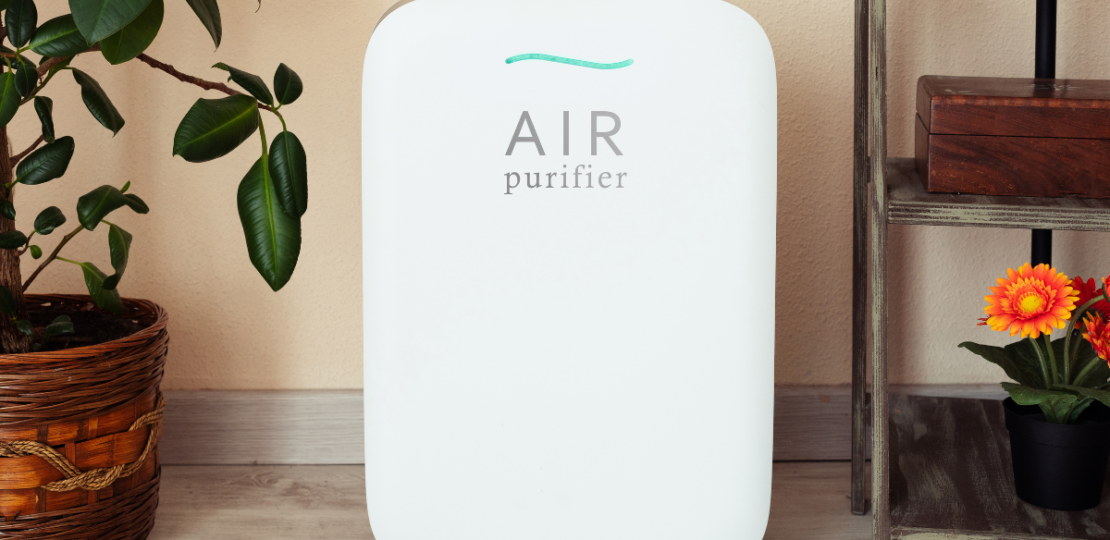
In today’s health-conscious society, the importance of maintaining clean indoor air cannot be overstated. Smart air purifiers have emerged as an innovative solution to combat airborne pollutants and enhance air quality in our homes and workplaces. These devices not only facilitate the removal of harmful substances but also integrate advanced technology to offer users greater control and efficiency.


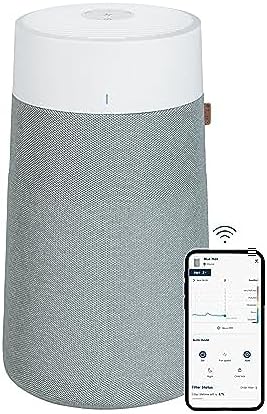
A smart air purifier is typically defined by its ability to connect to Wi-Fi, allowing for remote control through smartphone applications. This connectivity enables users to monitor air quality in real-time, adjust settings, and receive notifications regarding filter status. Moreover, many smart air purifiers are equipped with advanced sensors that detect particulate levels in the air, automatically adjusting their operation to optimize purification efficiency. This means that not only can users enjoy clean air, but they are also informed about their indoor air quality at all times.
One of the critical components found in many smart air purifiers is the True HEPA filter. This type of filter is designed to capture at least 99.97% of particles that are 0.3 microns in size, including dust, pet dander, and smoke. With the rising concern over health issues related to poor air quality, the effectiveness of True HEPA filters in removing these airborne pollutants makes them an essential feature in ensuring optimal indoor living conditions. By combining the capabilities of smart technology with high-performance filtration, these air purifiers significantly enhance the overall quality of the air we breathe. As we explore various models, it is crucial to understand how these features work together to provide a healthier environment.
Understanding True HEPA Filtration
True HEPA (High-Efficiency Particulate Air) filters are defined by their ability to capture at least 99.97% of particles that have a size of 0.3 microns in diameter. This level of performance is crucial for ensuring a clean air environment, especially in urban settings where air quality can be significantly compromised by pollutants. Unlike regular filters, which may only capture larger particles, True HEPA filters are engineered to trap a wide range of airborne contaminants, including dust, pollen, smoke, and pet dander.
The effectiveness of True HEPA filters lies in their unique construction. Composed of a dense mat of fibers, these filters employ a combination of principles, including mechanical filtration and diffusion. As air passes through the filter, larger particles are trapped via interception and inertial impaction, while smaller particles are effectively captured through diffusion processes. This multi-faceted approach to air cleansing ensures that a comprehensive range of harmful particles is eliminated from indoor environments.
Furthermore, the significance of True HEPA filtration is heightened in areas characterized by high pollution levels. With increasing urbanization, pollutants from vehicles, industry, and other sources have become prevalent, leading to potential health risks among the population. The adoption of air purifiers equipped with True HEPA filters can significantly mitigate these risks by improving indoor air quality. Not only do they ensure a fresher ambiance, but they also contribute to reducing respiratory issues and allergies associated with poor air conditions.
In essence, understanding the standards and capabilities of True HEPA filters is fundamental when exploring air purifiers. Their proven efficiency in capturing harmful airborne particles makes them a vital component in promoting a safer and healthier living environment, especially in urban locales plagued by pollution.
Key Features to Look for in Smart Air Purifiers
When selecting a smart air purifier equipped with a True HEPA filter, several essential features should be considered to ensure optimal performance in removing particles such as smoke and dust from the air. One of the first aspects to assess is the coverage area, which determines how effectively the device can purify air in your chosen space. A unit with a larger coverage area is particularly beneficial for open-plan living areas or larger rooms.


Next, the Clean Air Delivery Rate (CADR) is a critical measure of an air purifier’s ability to remove specific pollutants from the air, including smoke, dust, and pollen. Higher CADR ratings indicate more efficient air filtration, making it an important feature to prioritize when evaluating options. Additionally, if noise levels are a concern, it is advisable to consider purifiers that operate quietly, especially since they may be used in bedrooms or shared spaces during the night.
Another practical feature to look for is filter replacement indicators. These notifications help users stay aware of when to change filters, ensuring that the air purifier functions efficiently over time. Moreover, smart features such as air quality monitoring and automated adjustments allow the device to adapt its operation in real-time, maximizing air purification based on the current conditions. These intelligent features enhance convenience and effectiveness, aligning with modern living demands.
User-friendly interfaces are also important; a clear display helps in easy operation and understanding of air quality metrics. Furthermore, compatibility with home automation systems can provide greater control, enabling users to manage the air purifier remotely. Together, these features make for an efficient, reliable, and user-friendly smart air purifier that protects against smoke, dust, and other contaminants.
Top Smart Air Purifiers with True HEPA Filters for Smoke Removal
In recent years, the need for efficient air purification has grown significantly, particularly due to increasing levels of indoor pollution from various sources. Among these, smoke—whether from household activities, cigarette smoking, or external factors like wildfires—can pose serious health risks. Smart air purifiers equipped with True HEPA filters provide an effective solution for removing these harmful pollutants. Below, we review some of the top-rated options available in the market that are specifically designed for smoke removal.
1. Coway AP-1512HH Mighty Air Purifier
The Coway AP-1512HH is frequently praised for its robust performance and user-friendly features. This air purifier utilizes a four-stage filtration system, including a True HEPA filter that captures 99.97% of particulate matter as small as 0.3 microns, making it highly effective against smoke particles. Its compact design fits seamlessly in any room, and it includes smart features such as an air quality indicator and an eco mode that conserves energy.
2. Levoit Core 300 Air Purifier
The Levoit Core 300 is another popular choice, known for its exceptional filtration capabilities and affordable price. This model is compact but powerful, featuring a True HEPA filter that effectively eliminates smoke and odors. Customer reviews often highlight its quiet operation, making it suitable for bedrooms or office spaces. Additionally, it comes with multiple filter options, allowing users to customize their experience according to their specific needs.
3. Honeywell HPA300 Air Purifier
The Honeywell HPA300 is designed for larger spaces, boasting a high Clean Air Delivery Rate (CADR) specifically for smoke. Its True HEPA filter works alongside activated carbon to remove not only smoke particles but also unpleasant odors. Users commend this model for its durability and efficiency, making it a reliable investment for long-term smoke removal. It is equipped with smart features like an easy-to-read filter replacement indicator.
Each of these air purifiers has received positive feedback for their effectiveness in removing smoke and creating healthier indoor environments. They combine advanced filtration technology with user-friendly functionalities, providing excellent value for money.
Best Smart Air Purifiers with True HEPA Filters for Dust Removal
In a world increasingly filled with dust and allergens, selecting an effective air purifier is essential, particularly for households with pets or those situated in dusty environments. Smart air purifiers equipped with True HEPA filters excel in capturing not just dust particles but also dust mites and pet dander, which are major contributors to indoor air pollution.
- MOST AWARDED AIR PURIFIER BRAND IN THE UK: Based on the awards received for performance between 2019-2023 (Conducted by …
- UPGRADED BLUE RANGE: Meet the new Blue Max series with our unique HEPASilent performance, now even better; Up to 83% fas…
- FILTER 99.97% OF PARTICLES: Removes at least 99.97% of tiny airborne particles like viruses and smoke down to 0.1 micron…
One notable model is the Dyson Pure CoolTP01, which combines air filtration and cooling. This air purifier utilizes a True HEPA filter to capture 99.97% of particles as small as 0.3 microns, including dust and pet dander. User reviews often highlight its effectiveness in significantly reducing allergens while also serving as an efficient cooling fan during warmer months, making it a multifunctional choice for homes.
Another highly recommended option is the Honeywell HPA300. Known for its robust performance, the HPA300 is specifically designed for large rooms and features a True HEPA filter that captures dust, pet dander, and other allergens efficiently. Many users report noticeable improvements in air quality within days of using this model, which emphasizes its effectiveness in providing relief for those suffering from allergies due to dust.
For consumers seeking a smart solution, the LEVOIT Core 300 stands out. This compact air purifier is Wi-Fi enabled and compatible with smart home systems, allowing users to control air quality remotely. Its True HEPA filter captures even the smallest particles, making it highly effective in keeping environments free of dust and allergies. Users appreciate the quiet operation and energy efficiency of this model, which adds to its appeal for continuous use.
Overall, these smart air purifiers with True HEPA filters not only enhance indoor air quality but also cater specifically to households that may be burdened with dust and pet dander, providing significant relief and comfort to users.
Comparative Analysis of Smart Air Purifiers
The market for smart air purifiers equipped with True HEPA filters has grown significantly, offering consumers more choices for combating indoor air pollution, particularly smoke and dust. In this comparative analysis, we will delve into the performance, efficiency, and smart features of several popular models, providing insights into their effectiveness in dealing with particulate matter.
The first unit, the SmartAir Purifier 3000, boasts a True HEPA filter that can capture 99.97% of particles down to 0.3 microns. This model is equipped with a real-time air quality monitoring system, which adjusts the purification speed automatically based on detected pollutant levels. The SmartAir Purifier is particularly effective against smoke, making it an excellent choice for households with smokers or those living in areas prone to wildfires.
The second model, CleanBreath Pro, also features a True HEPA filter and includes advanced connectivity options, allowing users to control the unit via a dedicated smartphone app. This purifier is designed to efficiently handle both smoke and dust, utilizing a pre-filter for larger particles before engaging the HEPA filter. However, some users have reported that its noise levels can be somewhat higher than competitors, which may be a consideration during the night.
Another noteworthy contender is the FreshZone Elite, praised for its low energy consumption and whisper-quiet operation. It offers an intuitive digital display and smart scheduling capabilities, allowing users to create personalized routines. While it performs exceptionally well in dust removal, its effectiveness against smoke may not rival that of the previously mentioned models.
The recommendations provided show that each smart air purifier has its strengths and potential drawbacks. Users should weigh these factors, considering not only the air purifier’s efficiency but also compatibility with their specific needs and lifestyle. This information will assist consumers in making an informed decision about which air purifier best fits their circumstances.
Maintenance and Care for Smart Air Purifiers
Maintaining and caring for smart air purifiers equipped with True HEPA filters is crucial to ensure optimal performance and longevity. Regular maintenance plays a significant role in preserving excellent air quality, particularly in environments prone to smoke and dust. One of the primary aspects of maintaining these devices is adhering to a filter replacement schedule. Most manufacturers recommend changing the HEPA filter every six to twelve months, depending on usage and environmental conditions. Keeping track of this schedule will help maintain the device’s efficiency and effectiveness in trapping airborne particles.
Additionally, it is important to clean the pre-filters and any other washable components regularly. Most smart air purifiers come with a pre-filter that captures larger particles before they reach the HEPA filter. This pre-filter should be vacuumed or washed per the manufacturer’s instructions to prevent dust and debris buildup. A clean pre-filter enables the HEPA filter to work more efficiently, prolonging its life and reducing the frequency of replacements.
Monitoring the performance of your smart air purifier is another key component of its maintenance. Many models include indicators that alert users when it is time to replace the filter or perform cleaning. By paying attention to these alerts, you can troubleshoot potential issues early and maintain peak efficiency. If the air purifier exhibits unusual noises or decreased air flow, these could be signs of a clogged filter or a mechanical issue. Consulting the user manual or customer support can provide guidance on resolving these common problems.
In summary, proper maintenance and care of smart air purifiers with True HEPA filters are essential for ensuring they effectively remove smoke and dust, while also contributing to a healthier living environment. Regularly replacing filters and cleaning components, along with monitoring performance, will help maintain your device’s efficiency and extend its lifespan.
Understanding Air Quality Metrics
Air quality metrics play a crucial role in recognizing and managing indoor air conditions, particularly for those utilizing smart air purifiers with true HEPA filters. Three key metrics that are commonly evaluated include PM2.5, VOCs (Volatile Organic Compounds), and AQI (Air Quality Index). Understanding these metrics can greatly enhance an individual’s ability to create a healthier living environment.
PM2.5 refers to particulate matter that has a diameter of less than 2.5 micrometers. These fine particles can be found in smoke, dust, and allergens, making them particularly harmful as they can penetrate deep into the lungs and even enter the bloodstream. The measurement of PM2.5 serves as a vital indicator of air quality, as these particles are associated with a range of health issues, including respiratory and cardiovascular diseases. A smart air purifier equipped with a true HEPA filter can effectively capture PM2.5, significantly reducing their concentration indoors.
VOCs, on the other hand, are a group of organic chemicals that can easily evaporate at room temperature. Common sources of VOCs include household cleaners, paints, and even certain types of furniture. Elevated levels of VOCs within indoor spaces can lead to discomfort and various health issues, such as headaches and respiratory problems. Monitoring VOC levels helps users assess the effectiveness of their air purifiers, as well as identify potential sources of air pollution within their homes.
Lastly, the AQI is a standardized tool to communicate air quality status to the public. It combines multiple air quality components, including PM2.5 and VOC levels, into a single index number ranging from 0 to 500. A lower AQI indicates better air quality, whereas higher figures signify a more hazardous environment. By understanding these air quality metrics and the data provided by their smart air purifiers, users can make informed decisions regarding their health and indoor air quality management.
Conclusion and Final Recommendations
In modern indoor environments, maintaining clean and healthy air quality has become increasingly important, especially for those sensitive to pollutants such as smoke and dust. Smart air purifiers equipped with True HEPA filters are highly effective in capturing a wide range of airborne particulates, ensuring that your living or working space remains free from harmful contaminants. The effectiveness of these purifiers in eliminating smoke and dust highlights their essential role in promoting better health and well-being.
When selecting an air purifier, several key factors should be taken into account. First, consider the specific pollutants you are most concerned about. If smoke is a primary issue, choose a model that emphasizes performance in trapping larger particles and odors. On the other hand, if dust is predominant, look for purifiers that have strong suction capabilities and can filter fine particulate matter effectively. It is also vital to check the Clean Air Delivery Rate (CADR) rating, as this indicates how quickly and efficiently the device can purify the air in your space.
Furthermore, it is recommended to opt for smart features that allow for better management and monitoring of air quality. As a result, you can receive real-time feedback on the air you breathe, enabling continual adjustment as necessary. Incorporating additional tips into your routine, such as regular maintenance of the filters and placing the air purifier in strategic locations, will maximize its benefits. This ensures that your indoor environment remains optimally purified, contributing significantly to overall health and comfort.
In conclusion, choosing a smart air purifier with a True HEPA filter is a proactive approach to tackling indoor air quality issues, particularly concerning smoke and dust. By understanding your specific requirements and utilizing effective strategies for maintenance, you can create a cleaner and safer living space for yourself and your loved ones.
RELATED POSTS
View all

Top Compact Smart Air Purifiers for Apartments
January 25, 2026 | by pardudanny
Alexa vs Google Home: Best Smart Air Purifiers That Work with Voice Control
January 23, 2026 | by pardudanny
Premium Smart Air Purifiers Compared: Dyson vs. Coway vs. Philips vs. Xiaomi
January 25, 2026 | by pardudanny