

Smart Wi-Fi Air Purifiers with Auto Mode: Set It and Forget It Solutions
January 25, 2026 | by pardudanny

Introduction to Smart Wi-Fi Air Purifiers
Smart Wi-Fi air purifiers represent a significant advancement in indoor air quality technology, combining traditional air purification methods with modern smart technology. These devices are designed to filter and purify the air within a home or office effectively, removing pollutants, allergens, and particulate matter. The incorporation of Wi-Fi connectivity allows these air purifiers to communicate with home networks, providing users the flexibility to control and monitor their air quality remotely.
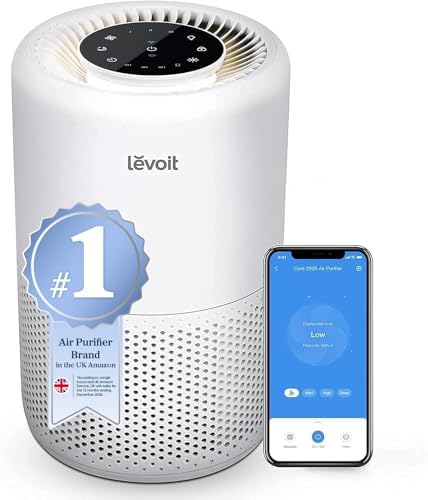
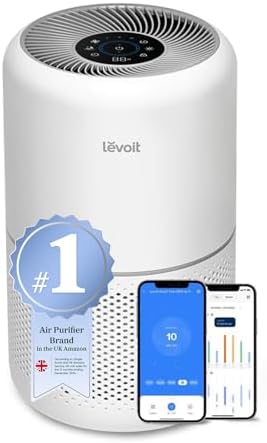


Equipped with advanced sensors, smart Wi-Fi air purifiers can detect airborne contaminants in real-time. This data is showcased through user-friendly smartphone applications that enable seamless interaction. Users can receive notifications about air quality levels, enabling them to take action as needed, such as activating the purifier or adjusting its settings. Through these applications, individuals can schedule purification times, set desired air quality levels, and even track the performance of the device over time.
One of the key advantages of these modern purification technologies is their efficiency. Smart Wi-Fi air purifiers often employ HEPA filters, activated carbon, and UV light, which work synergistically to remove a wide range of airborne pollutants, including dust, pollen, smoke, and volatile organic compounds (VOCs). The auto mode functionality further enhances user convenience—once the desired air quality is set, the device can automatically adjust its operation based on real-time air quality readings.
Furthermore, smart Wi-Fi air purifiers contribute to energy efficiency and cost savings. Many models are designed to operate at optimal levels without excessive power consumption, allowing for extended use without significantly increasing utility bills. In conclusion, the integration of Wi-Fi technology and smart functionalities marks a transformative step in air purification technologies, making them both user-friendly and highly effective in improving indoor air quality.
What is Auto Mode in Air Purifiers?
Auto Mode in air purifiers is an essential feature that allows these devices to monitor and adjust their operation based on the current air quality. Utilizing advanced sensors, smart air purifiers can detect various airborne pollutants, such as dust particles, smoke, pollen, and volatile organic compounds (VOCs). When the device is set to Auto Mode, it continuously assesses the air quality in real-time and adjusts the purification settings accordingly. This means that if the air quality degrades due to external factors like pet dander or cooking fumes, the air purifier will automatically increase its fan speed and filtration intensity. Conversely, if the air quality improves, the purifier may lower its operation to save energy.

- 🏠【𝗜𝗱𝗲𝗮𝗹 𝗳𝗼𝗿 𝗔𝗹𝗹 𝗦𝗽𝗮𝗰𝗲𝘀 】The PJ07 Air Purifier features a high-efficiency filtration system and 360° air intake design. W…
- 🐶【𝐏𝐞𝐭-𝐟𝐫𝐢𝐞𝐧𝐝𝐥𝐲 𝐀𝐢𝐫 𝐏𝐮𝐫𝐢𝐟𝐢𝐞𝐫】The Pet Air Purifier is specially designed for pet-friendly homes, tackling the unique air q…
- 🧽【𝗛𝗶𝗴𝗵-𝗘𝗳𝗳𝗶𝗰𝗶𝗲𝗻𝗰𝘆 𝗙𝗶𝗹𝘁𝗿𝗮𝘁𝗶𝗼𝗻】This home air purifier features a True H13 HEPA filter with a 3-stage high-efficiency filtr…
The operation of Auto Mode revolves around the integration of sophisticated sensor technology and algorithm-based control systems. These sensors provide crucial data regarding particulate matter and gas concentrations, enabling the air purifier to optimize its performance systematically. By eliminating the need for manual adjustments, users benefit from an effortless experience where they can essentially set the device and forget it, with the confidence that their air quality is being managed effectively.
One of the notable advantages of using Auto Mode is energy efficiency. Since the air purifier adjusts its operation based on real-time air quality measurements, it avoids running at full capacity when not needed, thus reducing energy consumption and operational costs. Moreover, this adaptability ensures optimal air quality management, as the device continuously responds to changes in the environment, maintaining a comfortable and healthy indoor atmosphere. In addition, users can resultantly enjoy enhanced peace of mind, knowing that their air purifier is actively addressing their air quality needs without constant oversight.
Benefits of Smart Wi-Fi Air Purifiers
Smart Wi-Fi air purifiers offer a multitude of benefits that enhance both air quality and the overall living experience in homes. One of the primary health benefits associated with these devices is their ability to significantly reduce airborne pollutants, allergens, and harmful particles. This purification process can alleviate respiratory issues and improve the general well-being of individuals, particularly those with allergies or asthma. By effectively filtering out dust, pet dander, and smoke, smart air purifiers contribute to a healthier indoor environment.
In addition to health benefits, the convenience of remote access adds another level of functionality to smart Wi-Fi air purifiers. Through a dedicated mobile app, homeowners can monitor and control their air purifier from virtually anywhere. This capability allows users to check filter status, adjust settings, or set schedules to ensure optimal air quality at all times, without needing to be physically present. This feature is particularly appealing for those with busy lifestyles or for parents who wish to ensure their children are breathing clean air even when they are not at home.
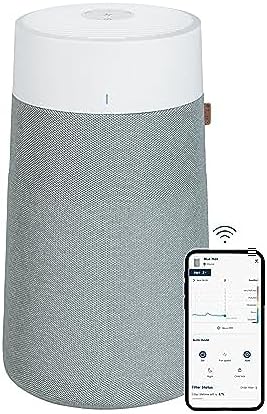
- MOST AWARDED AIR PURIFIER BRAND IN THE UK: Based on the awards received for performance between 2019-2023 (Conducted by …
- UPGRADED BLUE RANGE: Meet the new Blue Max series with our unique HEPASilent performance, now even better; Up to 83% fas…
- FILTER 99.97% OF PARTICLES: Removes at least 99.97% of tiny airborne particles like viruses and smoke down to 0.1 micron…
Furthermore, these devices seamlessly integrate with existing smart home systems, providing an additional layer of convenience and automation. For instance, they can be programmed to work in conjunction with other smart devices such as thermostats and smart lighting, creating a cohesive home environment. This integration can lead to improved energy efficiency and optimized air purification based on real-time indoor air quality data. Additionally, smart Wi-Fi air purifiers often come equipped with energy-saving modes, allowing them to function in an optimized manner without consuming excessive power, which can translate into lower utility bills.
Key Features to Look For
When selecting a smart Wi-Fi air purifier, several essential features warrant consideration. Firstly, the type of filters employed in the air purifier is crucial. A high-quality model typically utilizes HEPA filters which are capable of trapping 99.97% of particles, including dust, pollen, and pet dander, ensuring a cleaner indoor environment. Additionally, some units come equipped with activated carbon filters which excel at absorbing odors and volatile organic compounds (VOCs), further enhancing air quality.
Noise levels are another vital aspect to consider. Many users prefer air purifiers that operate quietly, particularly if they intend to run them in bedrooms or study areas. Look for models with noise ratings below 30 decibels, as they provide efficient air purification without disruptive sound levels.
Energy efficiency ratings are also significant, especially for long-term use. Choosing an air purifier with an Energy Star label ensures that the device operates using a minimal amount of energy, reducing electricity costs and ultimately benefiting the environment. Moreover, intelligent energy monitoring capabilities can provide real-time data on power consumption, allowing users to manage their energy use effectively.
App functionality should not be overlooked either. A sophisticated companion app can offer valuable insights into air quality levels, filter life, and operational settings. Some smart air purifiers allow for remote access to control settings via a smartphone or integrate with smart home systems, enhancing user experience.
Lastly, consider pre-set modes that adapt to varying levels of air pollution. High-quality air purifiers often feature multiple settings such as sleep mode, auto mode, and turbo mode. This adaptability ensures efficient performance tailored to specific environments and user needs, promoting a healthier indoor atmosphere without constant manual adjustments.
Real-time Monitoring and Notifications
Smart Wi-Fi air purifiers equipped with real-time air quality monitoring systems provide users with the capability to oversee their indoor air conditions continuously. These advanced devices utilize a series of sensors to gather data on various pollutants, including particulate matter, volatile organic compounds (VOCs), and other allergens present in the air. This information is processed in real-time and made accessible to users through a dedicated mobile application.
The convenience of tracking air quality levels directly from a smartphone or tablet cannot be overstated. Users can monitor their home environments from anywhere, providing peace of mind whether they are at home or away. The application typically displays detailed analytics of current air quality readings, allowing users to understand the impact of external factors, such as weather conditions, smoking, cooking, or outdoor air pollution on indoor air quality.
- 【SMART HOME SMARTER LIFE】 APP and Voice Control, works with Google Assistant and Alexa, enjoy hands-free experience. Day…
- 【360°AIR INTAKE TECHNOLOGY】 this smart air purifier for home completely purify a large room up to 1300ft² once in an hou…
- 【KNOW YOUR AIR BETTER】This air cleaner with built-in PM2.5 sensitive infrared air quality sensor, a color-coded light ch…
Moreover, these smart air purifiers send notifications directly to users regarding necessary actions, such as filter replacements or maintenance alerts. This feature ensures that the air purifier continues to operate at peak efficiency. Users receive timely reminders, eliminating the guesswork associated with filter maintenance, and ensuring that the air they breathe remains clean and healthy.
In addition to passive monitoring and notifications, these devices are designed to make automatic adjustments based on real-time data. For instance, if the sensors detect an increase in pollution levels, the air purifier can automatically escalate its fan speed or activate specific filters. This self-regulatory feature exemplifies the “set it and forget it” functionality that users appreciate, allowing them to maintain a healthier living environment with minimal effort.
User Experience: Setting Up and Using Smart APs
Smart Wi-Fi air purifiers have rapidly gained popularity due to their innovative features and user-friendly interfaces. Setting up these devices is typically a straightforward process, often guided by intuitive mobile applications. Users frequently report that the initial setup involves connecting the purifier to their home Wi-Fi network through the accompanying app, which usually supports both Android and iOS platforms. Clear on-screen prompts lead users through the process, ensuring that even those with limited technical skills can successfully complete the setup.
Once the air purifier is connected, daily usage becomes a seamless experience. The app typically offers real-time feedback on air quality, filter status, and device performance. Users often appreciate these insights, as they can make informed decisions about their indoor air quality needs without constant manual monitoring. Furthermore, the auto mode feature adjusts the air purifier’s settings based on the detected air quality levels, thus allowing users to “set it and forget it.” This leaves them free to focus on other activities while the device works efficiently in the background.
To maximize the benefits of smart Wi-Fi air purifiers, users should consider a few practical tips. First, placing the device in an optimal location—away from obstructions like furniture and within a well-circulated room—enhances performance. Second, regularly checking app notifications about filter changes or maintenance will ensure the air purifier continues to operate effectively. Lastly, exploring all app features, such as scheduling and specific air quality modes, can further enrich the user experience, granting users greater control over their indoor environment.
Ultimately, effective implementation of smart Wi-Fi air purifiers in the home contributes significantly to improving overall air quality while simplifying the upkeep process. By leveraging modern technology, individuals can effortlessly maintain healthier living spaces.
Maintenance and Care of Smart Wi-Fi Air Purifiers
To ensure the longevity and efficiency of smart Wi-Fi air purifiers with auto mode, regular maintenance is critical. Such maintenance not only optimizes air quality but also enhances the lifespan of the unit. One of the most crucial aspects of maintaining an air purifier is the timely replacement of filters. Many models come with a filter indicator that alerts users when it is time for a change. Typically, filters need to be replaced every 6 to 12 months, depending on usage and air quality. A clogged or dirty filter can severely impact the performance of the device.
In addition to changing filters, routine cleaning of the air purifier is also essential. Most units have an outer casing that can accumulate dust and debris, which can adversely affect airflow. Wiping down the exterior weekly with a damp cloth helps keep the unit clean. Furthermore, the intake and outlet grilles should be inspected regularly for blockages to prevent airflow disruptions.
Another important aspect of maintenance involves troubleshooting common issues that may arise. One common problem is unusual noises emanating from the device, which can be caused by loose components or debris trapped in the fan. If such issues occur, consulting the user manual or contacting customer support will assist in diagnosing the problem. Additionally, software updates, if applicable, should not be overlooked, as they can enhance the air purifier’s performance.
In summary, regular maintenance, including filter changes, cleaning protocols, and proactive troubleshooting, are foundational to maximizing the efficiency and lifespan of smart Wi-Fi air purifiers. By following these best practices, users can ensure their air purifiers operate optimally, providing cleaner air with minimal hassle.
Comparing Popular Brands and Models
In the expanding market of smart Wi-Fi air purifiers, several brands have carved out a niche by providing advanced features, effective performance, and user-friendly interfaces. Among the most notable companies are Dyson, Philips, and Honeywell, each offering unique selling propositions tailored to meet diverse customer needs.
Dyson’s air purifiers stand out for their slick design and multifunctionality. Their models, such as the Dyson Pure Cool series, not only purify air but also act as cooling fans. The brand employs advanced filtration technology, including HEPA filters that capture 99.97% of particles, making them a great choice for allergy sufferers. However, this level of innovation comes at a higher price point, with units generally starting from $400.
Philips, on the other hand, focuses on efficiency and smart features. The Philips Series 2000i air purifier combines a robust filtration system with Wi-Fi connectivity, allowing users to monitor air quality through a dedicated app. Known for its sleek design and silent operation, this model tends to be more budget-friendly, with prices starting around $250. Its unique selling proposition lies in real-time feedback provided through the app, helping users adjust settings seamlessly.
Honeywell offers a reliable option for consumers looking for solid performance at a reasonable price. The Honeywell HPA300 is equipped with a powerful HEPA filter, capable of purifying large spaces effectively. This model lacks advanced smart features but compensates by providing durability and low maintenance costs, typically priced around $300. Ideal for those who prioritize functionality over frills, Honeywell air purifiers deliver dependable performance.
As potential buyers navigate their options, considering factors like filtration efficiency, additional features, and price ranges can significantly aid in making an informed decision. Each brand brings something different to the table, whether it be design, app connectivity, or cost-effectiveness, making it essential to understand individual needs before making a choice.
Conclusion: Making the Right Choice
In evaluating air purifiers, particularly smart Wi-Fi models equipped with auto mode, it becomes evident that these devices offer significant advantages for enhancing indoor air quality. Through their automated capabilities, such purifiers provide a seamless experience, adjusting purification levels based on real-time air quality assessments. This feature not only ensures optimal performance but also promotes energy efficiency, minimizing unnecessary power usage.
Furthermore, it is essential to recognize that one size does not fit all when it comes to air purifiers. Consumer needs vary based on factors such as room size, air pollution levels, and personal health considerations. A thorough understanding of these individual circumstances is crucial for selecting the right device. For instance, individuals with allergies or respiratory issues might benefit more from models featuring advanced filtration systems such as HEPA filters or activated carbon, which effectively reduce allergens and odors.
Additionally, engaging with user-friendly interfaces and compatibility with smart home systems can significantly enhance the convenience factor. The ability to remotely monitor and control air quality through mobile applications provides an edge in today’s fast-paced, technology-driven environment. Thus, when making a choice, consumers should evaluate the specific features that align with their lifestyle and preferences.
Ultimately, investing in a smart Wi-Fi air purifier with an auto mode can lead to improved air quality, better health outcomes, and a more comfortable living environment. By carefully considering one’s needs alongside the functionalities offered by various models, one can make a well-informed decision that not only enhances indoor air quality but also fits seamlessly within one’s lifestyle.
RELATED POSTS
View all

Smart Air Purifier Maintenance Guide: Filter Life and App Alerts
January 25, 2026 | by pardudanny

Alexa vs Google Home: Best Smart Air Purifiers That Work with Voice Control
January 23, 2026 | by pardudanny
Top Smart Air Purifiers With Real-Time Air Quality Monitoring on Your Phone
January 23, 2026 | by pardudanny